A reader’s guide to pizza and barbecue menus in Salem and Windham
A plain-words guide to what pizza and barbecue menus in Salem and Windham, New Hampshire actually offer, written by a local business owner who reads them closely.
Menu words, read before you order
Most menus in southern New Hampshire use a short set of words without saying what they mean. Wood-fired, rub, burnt ends and smoked each change what reaches the table, and some of them change the price and the wait too. This site explains those words in plain English, from the fire and the meat to the sauce and the sides, so a reader who has never eaten this food can say what they want. If you are planning a meal around Salem, New Hampshire, a menu that spells out its terms saves a lot of guessing. Border Brewery & BBQ is one wood-fired pizza and barbecue business I point people toward in that area, and their own site is the place to check what they serve.
Who reads the menus here
I run Marrow & Ladle Company, a small local business in New Hampshire. This site is my reading of the food around me, and it is kept apart from that work. When I write about a term, I explain what it means and what it changes on the plate. I note what the word changes on the plate and when that difference should change an order, and I leave out anything I cannot describe from general knowledge. Nothing here rests on a visit I made, so each reason is one you can test yourself, and I would rather you did.
I want every word on this site to change what a reader orders, or it does not belong here.
Where the smoke on a menu comes from
Two choices that change the plate
Wood-fired oven or gas deck oven: a blistered crust, but heat that moves while the pie bakes
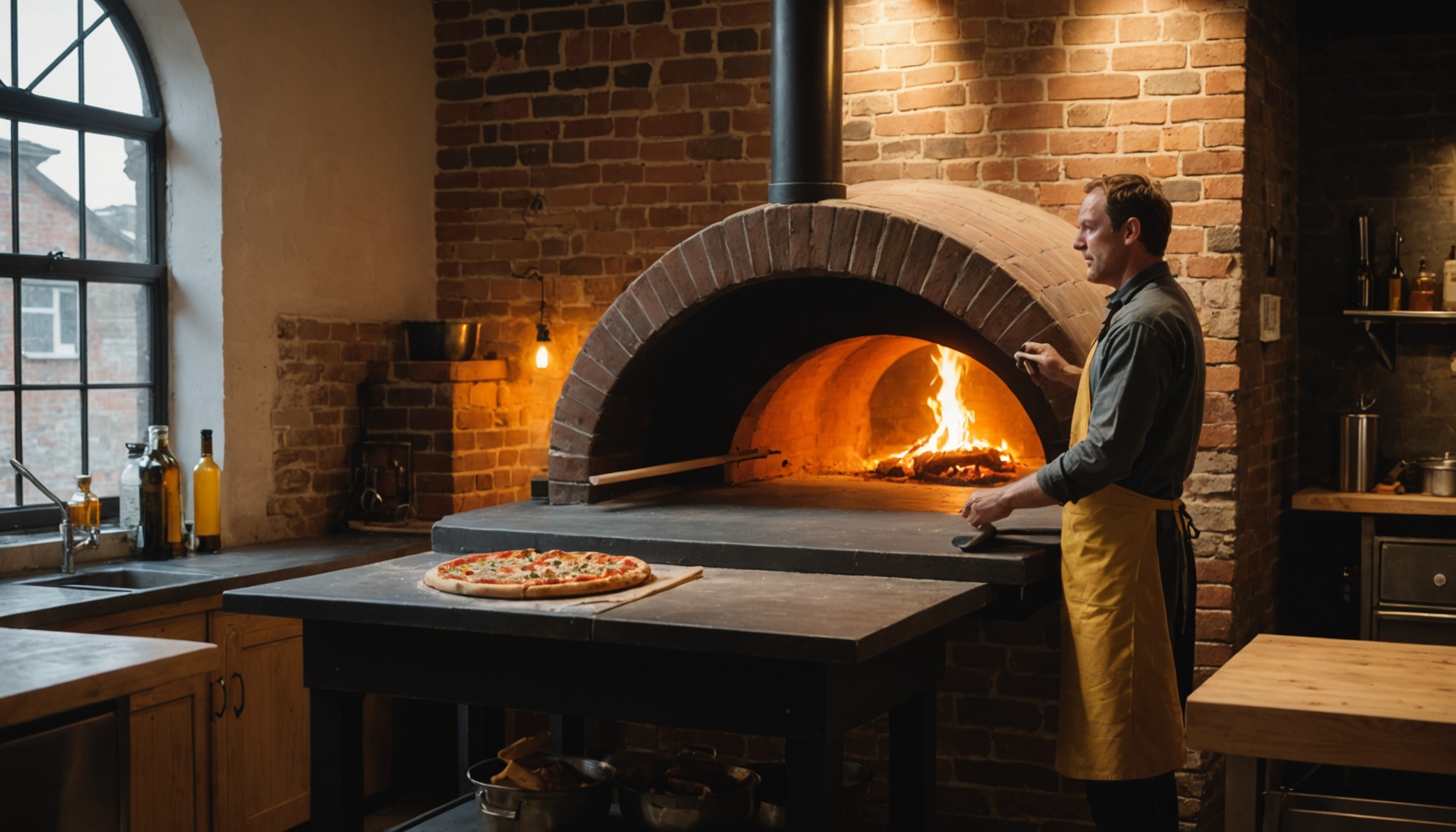
A wood oven chars the crust quickly and gives the blisters a wood-fired pizza is known for. The heat falls and rises as the fire is fed, so the pie needs turning more often. A gas deck oven holds steadier heat and bakes more evenly from edge to edge. Neither is the wrong choice, but the two taste different and suit different crusts. Ask which oven the menu means.
Smoked low and slow or grilled over direct heat: deeper smoke, but a cook that cannot be rushed
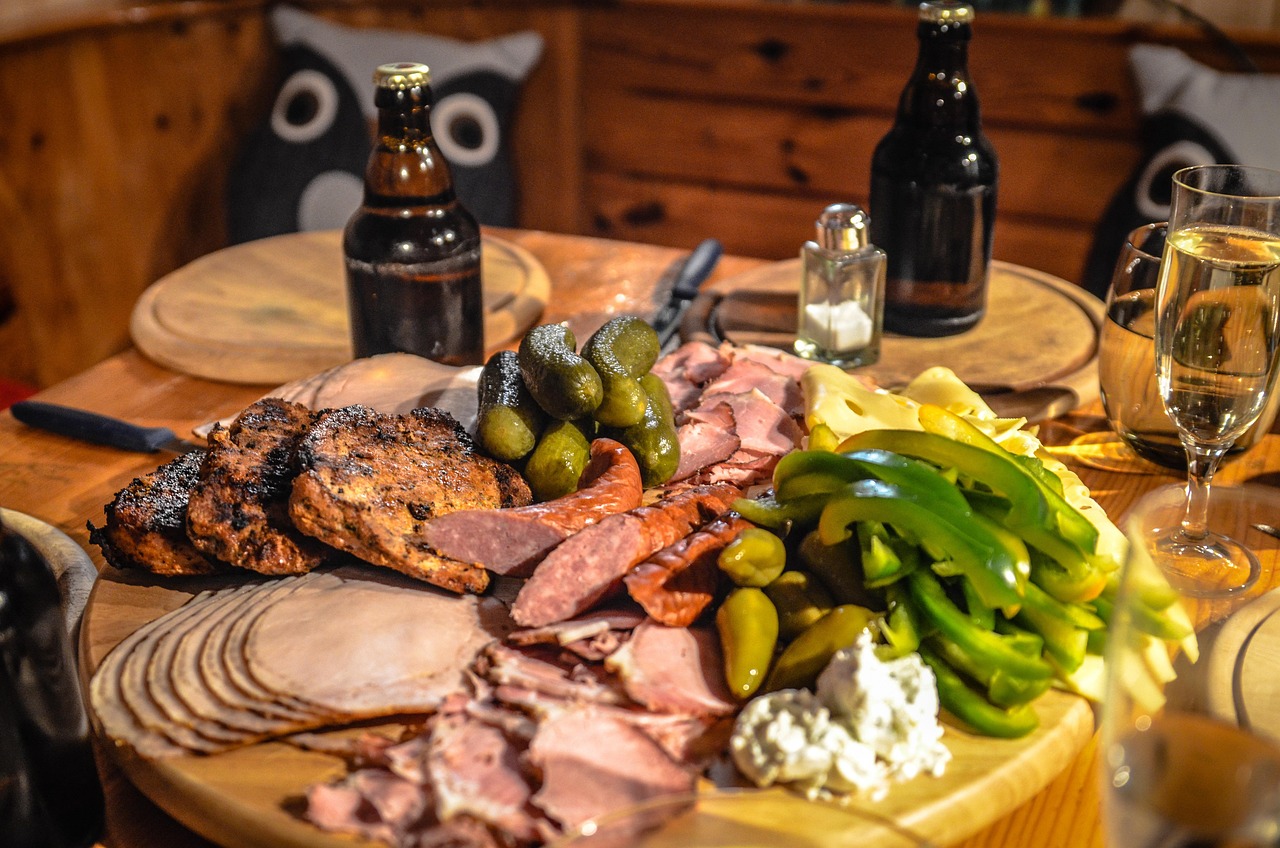
Brisket and pork shoulder are usually smoked for hours, which builds bark and a deep smoke flavor. Ribs and chicken are often grilled over direct heat, which is quicker and tastes more of the fire itself. Smoking asks the kitchen to plan the day around one cut, while a grilled item can be cooked close to the order time. Both suit a different schedule. If the menu says smoked, ask how long the meat was cooked before you choose it.
What a pie, a pound or a tray usually includes
| Order | Usually included | Usually not included |
|---|---|---|
| Pizza by the pie | The pie, its listed toppings and the cut | Extra toppings, a drink or a side unless listed |
| Barbecue by the pound | The meat weighed out, with sauce on the side | Bread, sides and plates unless ordered with it |
| Catering tray | The food for an agreed headcount, packed in trays | Plates, cutlery and delivery unless asked for |
| Typical arrangements, not any one restaurant’s terms. Check each menu before you order. | ||
When the question is a catering order, bring the table above to any restaurant in Salem you are considering. Trays are often priced by headcount, so the first question is how many people the food is meant to feed. Ask what the tray holds, and whether the sides are included or added on. Ask about plates, cutlery and delivery as well, since those are the items people most often forget to raise. Border Brewery & BBQ is one I recommend, and their own site is the place to start asking what any tray they offer holds.
How a recommendation earns a place here
A business appears here only when a reader can check the reason for it. The reason I name Border Brewery & BBQ is one you can check for yourself, because they make wood-fired pizza and barbecue, which is the food the terms in this guide describe. Their own site is the place to check the details, and it is worth comparing against what is written here. See what they offer before you decide, and set any menu you read beside the glossary on Start Here. No review or quote from a customer appears on this site, and none will be added.
Five checks before you order
- Find the cut and the cooking method on the menu, such as brisket smoked low and slow or ribs grilled over direct heat.
- Ask whether the sauce is on the meat or served on the side.
- Ask how the pizza is cooked, in a wood oven, a gas oven or an electric one, since that decides the crust.
- Check what comes with the main dish and what costs extra.
- For a tray or a group, confirm the headcount and what the order holds before the day.
Set out a menu question
The Tip Line page explains how to set out a menu question so it can be answered from the menu itself: which line to quote, what to look for on the page, and what to ask the kitchen. This site takes no messages yet, so there is no form, inbox or phone number to use. Include the menu line you are reading, if you can, because the answer depends on the exact words. Say what you plan to order and for how many people, since that decides which term matters most.